
Best overall for everyday wear: Rolex Submariner 124060. Highest water-resistance rating in this shortlist: Omega Seamaster Planet Ocean Ultra Deep, at 6,000 metres. Best titanium option: Tudor Pelagos 25600TN. This 2026 comparison ranks six specific luxury-watch references by their published depth ratings, then separates technical capability from what you will actually enjoy wearing.
- Best luxury watches water resistance verdict: Rolex Submariner 124060 is the everyday choice; Omega Ultra Deep leads on depth rating.
- Omega Ultra Deep is rated to 6,000 metres; Rolex Deepsea 136660 is rated to 3,900 metres.
- Tudor Pelagos 25600TN combines a titanium case with a 500-metre water-resistance rating.
- For pre-owned dive watches, assess reference correctness, seal condition and pressure-test evidence before swimming.
Why this matters
A depth rating describes a watch's specified resistance to water pressure. It does not establish the present condition of a pre-owned example. Ageing seals, damage to a crown tube or an incorrectly fitted caseback can undermine a watch whose dial still carries an impressive number.
For buyers considering luxury watches at James Patten, the useful distinction is between the reference's published specification and the individual watch's demonstrated condition. Buy the watch you want to wear, then establish whether that example is ready for your intended water use.
In 2026, a higher rating remains a technical distinction, not a reason to overlook case condition, originality or fit. A sound, comfortable dive watch is a better swimming companion than an untested collector's piece with a larger number on its dial.
What makes the best water-resistant luxury watch?
Use these criteria before comparing the rankings:
- Reference accuracy: Identify the exact reference. Different watches within the same collection can have different depth ratings, dimensions and construction.
- Published depth rating: Compare manufacturer specifications for the named reference, not a seller's general description of the collection.
- Seal condition: Look for recent pressure-test evidence relevant to your intended use, especially after servicing or case opening.
- Case and dial condition: Examine case geometry, corrosion, dial damage and replacement components. Attractive polishing does not prove mechanical health.
- Movement health: Assess timekeeping and service evidence separately from water resistance. A pressure test does not authenticate or fully evaluate the movement.
- Wearability: Consider case diameter, thickness, weight, bracelet adjustment and crown comfort. Depth capability cannot compensate for poor fit.
For a 2026 purchase, establish the exact reference before comparing specifications. The shortlist below deliberately names references rather than treating every Seamaster, Pelagos or Submariner as identical.
Water-resistance rankings at a glance
The table follows descending manufacturer-published depth ratings. These are design specifications, not pressure-test results for any individual watch offered for sale.
| Rank and reference | Published water resistance | Case diameter | Best for | Standout feature | Key limitation |
|---|---|---|---|---|---|
| 1. Omega Ultra Deep 215.30.46.21.03.001 | 6,000 metres | 45.5 mm | Extreme depth engineering | Highest rating in this shortlist | Substantial case dimensions |
| 2. Rolex Deepsea 136660 | 3,900 metres | 44 mm | Rolex pressure-case engineering | Ringlock System construction | Pronounced wrist presence |
| 3. Rolex Sea-Dweller 126600 | 1,220 metres | 43 mm | Date-equipped Rolex dive-watch collectors | Greater depth rating than the Submariner | Larger case than the Submariner |
| 4. Omega Planet Ocean 215.30.44.21.01.001 | 600 metres | 43.5 mm | Mechanical movement viewing | Transparent caseback | Substantial case profile |
| 5. Tudor Pelagos 25600TN | 500 metres | 42 mm | Titanium tool-watch wear | Titanium case and bracelet | Functional rather than dress-led styling |
| 6. Rolex Submariner 124060 | 300 metres | 41 mm | Everyday wear without a date | Uncluttered dial and timing bezel | No date display |
Source basis: Omega, Rolex and Tudor manufacturer specifications for the exact references listed. This 2026 ordering compares rated pressure resistance only; it does not claim that these are the highest-rated watches across the entire market.
1. Omega Ultra Deep: best luxury watch for extreme depth engineering
The stainless-steel Omega Seamaster Planet Ocean Ultra Deep reference 215.30.46.21.03.001 is rated to 6,000 metres. Its 45.5 mm case makes the purpose clear: this is an exploration of pressure-resistant construction, not a discreet dress watch.
The Ultra Deep leads this shortlist on the specified measure. That does not make it the default recommendation for swimming or daily wear; its dimensions deserve as much attention as its rating.
Omega Ultra Deep pros:
- Highest published water-resistance rating among these six references.
- A timing bezel supports elapsed-time reading.
- A strong choice when pressure-case engineering is central to your collecting interest.
Omega Ultra Deep cons:
- The large case demands a careful wrist-fit assessment.
- Its depth capability exceeds ordinary swimming requirements.
Best for: Collectors who specifically want extreme-depth engineering and accept a substantial watch.
When assessing a pre-owned Ultra Deep, check the case, crown and bezel for impact damage. Confirm that any service or pressure-test evidence relates to the watch being offered, rather than another example of the same reference.
Verdict: Buy for the engineering, after confirming fit and condition.
2. Rolex Deepsea: best luxury watch for Rolex pressure-case engineering
The Rolex Deepsea reference 136660 has a published water-resistance rating of 3,900 metres and a 44 mm case. Its Ringlock System is central to the watch's pressure-resistant construction.
Choose the Deepsea because that construction interests you, not because every coastal outing requires it. The case remains a substantial object on the wrist, and trying it on answers questions that a specification sheet cannot.
Rolex Deepsea pros:
- A markedly higher depth rating than the Sea-Dweller and Submariner listed here.
- Ringlock System construction gives the reference a distinct technical identity.
- A date display adds everyday utility.
Rolex Deepsea cons:
- The case occupies considerable wrist space.
- High pressure resistance does not eliminate the need to maintain seals.
Best for: Rolex collectors who prioritise pressure-case design over a compact wearing profile.
Examine bracelet fit and clasp adjustment alongside the watch head. A watch can sit securely yet still feel top-heavy; assess both movement on the wrist and comfort when your hand bends.
Verdict: Buy for Rolex's deep-diving construction; skip if size compromises comfort.
3. Rolex Sea-Dweller: best luxury watch for date-equipped Rolex diving heritage
The Rolex Sea-Dweller reference 126600 combines a 1,220-metre rating with a 43 mm case and a date display. It occupies a useful position between the Submariner's everyday proportions and the Deepsea's more specialised pressure-case design.
The distinction is specific. The Sea-Dweller offers greater rated depth resistance than the Submariner, but its larger case changes how it wears.
Rolex Sea-Dweller pros:
- A higher published depth rating than the Submariner 124060.
- A date display suits buyers who use a calendar indication daily.
- A helium escape valve connects its construction to saturation-diving requirements.
Rolex Sea-Dweller cons:
- The 43 mm case requires more wrist space than the Submariner.
- A helium escape valve provides no necessary advantage for ordinary surface swimming.
Best for: Collectors who want a date-equipped Rolex diver with a distinct deep-diving identity.
For a pre-owned Sea-Dweller, reference correctness and originality remain separate questions from water resistance. An independently authenticated watch still needs appropriate seal assessment before you take it into water.
Verdict: Buy when the date, proportions and diving heritage all suit you.
4. Omega Planet Ocean: best luxury watch for viewing a dive-watch movement
The Omega Seamaster Planet Ocean reference 215.30.44.21.01.001 is rated to 600 metres, with a 43.5 mm case and a transparent caseback. It offers a different collecting experience from the solid-caseback Rolex references above: you can inspect the visible movement without opening the watch.
A transparent caseback is not evidence of mechanical health. Treat it as an enjoyable design feature, then assess timekeeping and service history independently.
Omega Planet Ocean pros:
- A 600-metre published rating in the specified reference.
- A transparent caseback allows movement viewing.
- A date display and timing bezel serve different everyday functions.
Omega Planet Ocean cons:
- The case profile deserves a physical fit check.
- Visible movement finishing does not establish service condition.
Best for: Buyers who want dive-watch capability and enjoy seeing the mechanical movement.
Do not transfer this reference's specifications to every Planet Ocean. Before a 2026 purchase, match the complete reference to the manufacturer's technical information, particularly when comparing different sizes, materials or generations.
Verdict: Buy for the combination of movement viewing and dive-watch function.
5. Tudor Pelagos: best luxury watch for titanium tool-watch wear
The Tudor Pelagos reference 25600TN has a titanium case and bracelet, a 500-metre water-resistance rating and a 42 mm case diameter. Its material choice gives it a different wearing character from the steel watches in this comparison.
Titanium's lower density than steel supports the Pelagos's tool-watch appeal. You should still judge the complete watch on your wrist rather than assuming the material alone guarantees comfort.
Tudor Pelagos pros:
- Titanium case and bracelet distinguish it from the steel shortlist entries.
- A 500-metre published rating accompanies its diving-focused construction.
- Strong dial contrast supports straightforward time reading.
Tudor Pelagos cons:
- Functional styling does not suit every formal wardrobe.
- Titanium surfaces still show wear and require condition assessment.
Best for: Buyers who prioritise titanium construction and a purpose-led dive-watch design.
Check the bracelet, clasp and adjustment mechanism as carefully as the case. Do not confuse this reference with the Pelagos 39 or other Pelagos variants; the shared name does not establish identical specifications.
Verdict: Buy for titanium construction, after checking bracelet condition and fit.
6. Rolex Submariner: best luxury watch for everyday water-resistant wear
The Rolex Submariner reference 124060 has a 300-metre published rating and a 41 mm case. Its no-date layout makes it the simplest dial in this Rolex trio.
The Rolex Submariner 124060 is the best everyday choice in this shortlist for buyers who want a no-date luxury dive watch. It ranks last on depth resistance here, but first as the default wearing recommendation because the choice centres on practical proportions and an uncluttered display.
Rolex Submariner pros:
- A smaller case diameter than the Deepsea and Sea-Dweller listed here.
- The no-date dial keeps the display focused on time.
- A rotating timing bezel adds elapsed-time functionality.
Rolex Submariner cons:
- No date display for buyers who depend on one.
- A 300-metre factory specification does not prove a used example's current sealing condition.
Best for: Buyers seeking a daily luxury dive watch without a calendar display.
At James Patten, the relevant buying decision is still the individual watch: reference correctness, originality, case condition, movement health and wearability. None of those qualities can be replaced by a depth rating alone.
Verdict: Buy as the everyday default, subject to authentication and condition checks.
Before swimming with a pre-owned luxury watch
A sensible 2026 assessment follows a sequence. Resolve identity and condition before asking whether the watch is suitable for immersion.
- Reference check: Match the watch to its precise reference and manufacturer specification. Confirm that the case, dial, bezel and movement configuration are correct for that reference.
- Condition inspection: Examine the crown, tube, crystal and caseback sealing areas. Investigate corrosion, impact marks or evidence of moisture.
- Service evidence: Review available records and establish what work was performed. A general service description is not automatically evidence of a water-resistance test.
- Pressure test: Ask a qualified watchmaker to assess sealing performance against the intended use. Establish the test date, method and result for the individual watch.
- Wear check: Confirm comfortable fit, secure bracelet or strap attachment and correct crown closure before use.
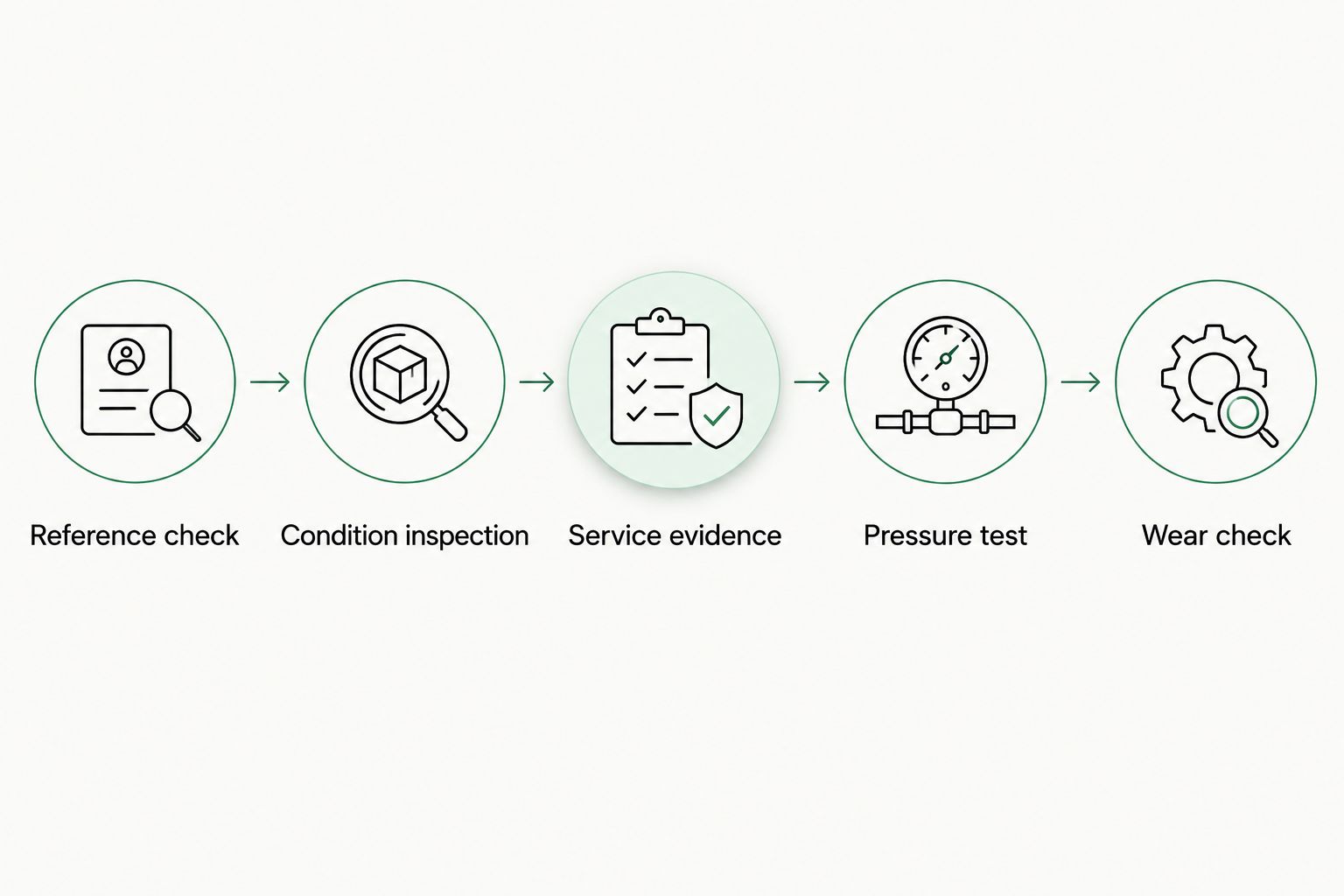
Authentication and pressure testing answer different questions. The first addresses whether the watch and its components are genuine and correct; the second assesses sealing performance under the test conditions.
Original packaging does not settle either question. A box cannot demonstrate gasket condition, movement health or suitability for swimming, and its absence does not make a sound watch undesirable.
After saltwater exposure, follow the manufacturer's cleaning instructions for the exact watch and strap. Avoid operating crowns or pushers underwater unless the manufacturer explicitly permits that operation for the reference.
How the ranking works
The numbered order uses manufacturer-published water-resistance ratings, highest first. The recommendations then apply the other criteria: reference accuracy, condition, movement health and wearability.
This is a specification-based comparison, not a claim of hands-on testing. Nor does it rank sellers. James Patten luxury-watch buyers should assess each offered example on its own evidence, rather than assume that a model recommendation establishes the condition of a particular watch.
Which water-resistant luxury watch should you choose?
Choose the Rolex Submariner 124060 if you want the everyday default and do not need a date. Choose the Tudor Pelagos 25600TN when titanium construction is the deciding feature, or the Omega Planet Ocean reference listed here when movement viewing matters.
The Omega Ultra Deep and Rolex Deepsea reward a specific interest in pressure-resistant engineering. Do not buy either merely to obtain a larger depth number. For a 2026 purchase, the right reference is the one whose design you value and whose individual condition supports your intended use.
FAQ
What's the best luxury watch for water resistance in this comparison?
The Omega Ultra Deep reference 215.30.46.21.03.001 has the highest published rating in this comparison, at 6,000 metres. The Rolex Submariner 124060 is the everyday recommendation for buyers who prefer a smaller, no-date option.
Is the Rolex Deepsea more water-resistant than the Sea-Dweller?
Yes: the Rolex Deepsea 136660 is rated to 3,900 metres, while the Sea-Dweller 126600 is rated to 1,220 metres. Those factory specifications do not establish the current sealing condition of a pre-owned example.
Can I swim with a pre-owned Rolex Submariner?
Establish the individual Submariner's sealing condition before swimming. Confirm correct crown operation and obtain appropriate pressure-test evidence rather than relying only on the reference's published rating.
Does a higher depth rating make a watch better for everyday wear?
No: a higher depth rating does not establish better fit, comfort or condition. Compare case proportions, bracelet adjustment and the functions you actually use.
Is the Tudor Pelagos 39 rated the same as the Pelagos 25600TN?
No: the Tudor Pelagos 39 is rated to 200 metres, while the Pelagos 25600TN is rated to 500 metres. Compare the exact references rather than treating the collection name as a specification.
Does a helium escape valve help when I swim at the beach?
A helium escape valve is not needed for ordinary beach swimming. Its purpose relates to helium release during decompression following saturation-diving exposure, not preventing seawater entry during surface use.
Do original box and papers prove that a watch is safe in water?
No: original box and papers do not demonstrate current water resistance. Assess the watch itself through reference correctness, condition, movement health, independent authentication and appropriate pressure testing.
One last thing
A successful pressure test is not permanent clearance for water use. A later case opening, impact or crown problem changes the circumstances. Keep the test evidence with your service records, and reassess sealing condition after work that affects the case rather than relying indefinitely on an earlier result.


